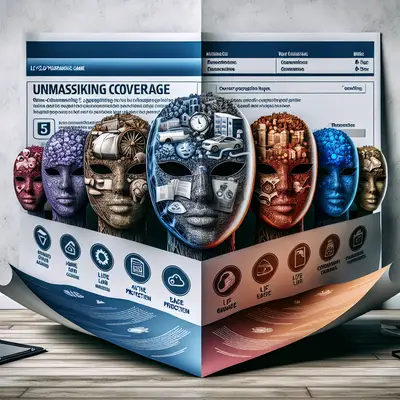
Insurance coverage doesn’t have to sound like a courtroom transcript. Think of it as your life’s “protection playlist” — different tracks (aka coverage types) that kick in when life hits shuffle. The real flex? Knowing exactly what each coverage does before you need it.
This guide breaks down coverage types in a way that’s scroll-stopping, screenshot-worthy, and actually useful. And yes, we’re hitting 5 trending, shareable points you’ll want to drop in the group chat.
The Core Coverages: Your “Starter Pack” Protection
Every solid insurance setup starts with a core lineup of coverages that carry you through everyday risks. These are the ones that show up in almost every policy type—auto, home, renters, health, and more.
Liability coverage is the quiet MVP: it steps in when you’re legally responsible for hurting someone or damaging their stuff. Property coverage protects your own belongings, whether that’s your car, your apartment, or the home you’re building a life in. Medical or personal injury protections help cover health-related costs after accidents, while additional living expense coverage (in home and renters policies) pays for temporary housing if your place becomes unlivable. Think of the core coverages as your “non-negotiables”—if your policy doesn’t get these right, everything else is just decoration.
Trending Point #1: Liability Coverage Is the New “Reputation Management”
Online, everyone talks about “protecting your brand.” In the real world, liability coverage is doing that heavy lifting. It’s not just about fender benders—it’s about protecting your money, your future income, and even your side hustle from lawsuits.
In auto insurance, bodily injury and property damage liability kick in when you’re at fault in a crash. In home and renters insurance, personal liability can step up if someone gets hurt at your place or claims you damaged their property. Some policies even include coverage for legal defense costs, which can climb fast even if you win. The trend right now? People quietly boosting their liability limits because they realize one big claim can wipe out savings, not just this year’s budget. It’s not flashy—but it’s the coverage that keeps your life from turning into a very expensive plot twist.
Trending Point #2: “Stuff Coverage” vs. “Use Coverage” – What You Own vs. How You Live
A lot of people only think in terms of “Is my stuff covered?” but modern coverage is splitting into two vibes: what you own and how you use it.
Property coverage protects your physical things—your car, laptop, furniture, phone, wardrobe. That’s collision and comprehensive for your ride, or personal property coverage under renters and homeowners policies. But the next level is “use coverage”: things like loss of use (paying for a hotel or rental if your place or car is out of commission), roadside assistance, rental car reimbursement, and travel coverage that protects your plans and experiences, not just your belongings. The new mindset: don’t just insure objects—insure the lifestyle they enable. That’s the difference between “I lost my car” and “My life is on pause vs. I can keep moving.”
Trending Point #3: Deductible Strategy Is the Real Money Hack
Coverage type gets all the attention, but how you structure your deductibles is where the money game really happens. A deductible is what you pay out-of-pocket before your insurance starts paying. Higher deductible, lower premium; lower deductible, higher premium.
Why is this trending? Because more people are realizing you can mix and match. You might choose higher deductibles on coverages you’re unlikely to use (like comprehensive if you park in a safe area) and lower deductibles where a claim would wreck your cash flow (like health insurance or home coverage if you’d struggle to pay for a big repair). With health insurance especially, high-deductible plans paired with Health Savings Accounts (HSAs) are popular for people who want lower monthly premiums and tax-advantaged savings for future medical costs. The move now is treating deductibles like part of your financial strategy—not random numbers you click past on a form.
Trending Point #4: Add-Ons and Endorsements = Your Policy “Customization Mode”
Modern policies are going full “upgrade pack” with add-ons and endorsements that let you tailor coverage to your actual life. These are optional coverage types you layer on top of the basics.
Think scheduled personal property for your jewelry or tech, water backup coverage for your basement, or guaranteed replacement cost coverage for your home. In auto, add-ons like new car replacement, gap coverage (to cover the difference between your loan and your car’s value), and rideshare coverage if you drive for apps are becoming must-haves for certain lifestyles. Instead of asking “What comes standard?” people are asking “What do I actually need based on how I live, work, and earn?” The trend: policies that feel personalized, not copy-pasted.
Trending Point #5: Health, Disability, and Life Coverage = Your “Future Self” Shield
Coverage types that protect your earning power are finally getting attention, and it’s long overdue. Health insurance covers your medical costs, but disability and life insurance cover what those costs can’t replace—your actual income and financial stability.
Short-term and long-term disability coverage help replace a portion of your income if an illness or injury keeps you from working. Life insurance, especially term life, can protect dependents, co-signed loans, and big shared goals like mortgages or business plans. Together, these coverage types form a “future self shield” that keeps an accident, diagnosis, or unexpected event from derailing your long-term plans. The new wave of planners isn’t just asking “What happens if my car gets totaled?” but “What happens if I can’t work?” That shift in thinking is making these coverages way more mainstream.
Conclusion
Coverage types aren’t just boxes to check—they’re the tools you use to protect your stuff, your lifestyle, your income, and your future self. Liability keeps your reputation and bank account from getting wrecked. Property coverage protects what you’ve built. Add-ons and endorsements let you customize. Deductible strategy keeps your premium smart, not random. And health, disability, and life coverage form the quiet forcefield around your long-term plans.
The power move isn’t having “insurance.” It’s knowing which coverage types you picked and why—so when life gets chaotic, your protection plan doesn’t.
Sources
- National Association of Insurance Commissioners (NAIC) – Auto Insurance Basics - Explains common auto coverage types like liability, collision, and comprehensive
- Insurance Information Institute – Homeowners Insurance Coverage - Breaks down property, liability, and loss of use coverage in home policies
- Healthcare.gov – High Deductible Health Plans and HSAs - Details how high-deductible health plans and Health Savings Accounts work together
- U.S. Department of Labor – Disability Benefits - Overview of disability-related income protection options and programs
- Consumer Financial Protection Bureau – Life Insurance Guide - Provides consumer-focused explanations of life insurance types and considerations
Key Takeaway
The most important thing to remember from this article is that this information can change how you think about Coverage Types.