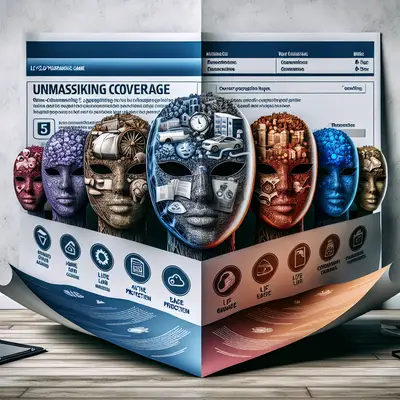
Insurance used to feel like background noise—necessary, but boring. That era is over. Today’s coverage world is packed with options, upgrades, and flex features that can actually match your lifestyle instead of fighting it. If you’ve ever felt like “policy talk” is written in another language, this is your sign to decode it in your favor.
Let’s break down coverage types in a way that actually feels clickable, shareable, and usable. These are the trending moves people are making with their coverage—and how you can level yours up, too.
The Core vs. The Extras: Why Your “Base” Coverage Isn’t the Whole Story
Most people stop at the default coverage: auto, health, renters or homeowners, maybe life. That’s like buying a phone and never touching the settings.
Your core coverage (auto, health, home/renters, life) is designed to handle the big “oh no” moments—car accidents, hospital stays, house fires, or the financial fallout if someone who supports the household dies. These are usually required (auto), heavily encouraged (health), or strongly recommended (home/life).
But the real customization happens in the extras—add-ons and specialty policies that close the gaps your main policy leaves wide open. Think:
- Add-on riders to life insurance that speed up payouts if you get seriously ill
- Umbrella policies that kick in when legal or liability costs explode past your auto or home limits
- Valuables coverage for jewelry, art, or tech that your renter or home policy only partially protects
The move right now isn’t “Do I have insurance?” It’s “Does my base layer + extras actually cover my real life, not the brochure version?”
Trending Point #1: People Are Stacking Coverage Like Subscriptions
Instead of one giant, complicated policy, more shoppers are building stacks of coverage that work together—kind of like the way you choose streaming services.
Think of it like this:
- Auto insurance as your main driver
- Roadside assistance or mechanical breakdown coverage as the “add channel”
- Rideshare / delivery coverage if you drive for apps
- Umbrella policy as the “premium bundle” when you want higher liability limits
Same idea with home or renters:
- Base home or renters policy for your stuff and liability
- Flood or earthquake coverage in high-risk areas (often not in the standard policy)
- High-value item coverage for laptops, jewelry, cameras, instruments
Why this is trending: people want modular protection they can tweak as life changes—new job, side gig, move to a new city, new baby, more travel, different car. Instead of one locked-in, “hope it works” policy, they’re choosing coverage like they choose apps: flexible, stackable, and on their terms.
Trending Point #2: Micro-Coverage for Side Gigs, Trips, and One-Off Events
Coverage is getting smaller but smarter. You don’t always need a huge annual policy—sometimes you need protection for this job, this trip, this event.
People are grabbing:
- Short-term travel insurance only when they leave the country or pre-pay a big trip
- Event insurance for weddings, big parties, or rented venues
- Side-hustle coverage for photographers, creators, tutors, or home bakers using their place for business
- On-demand rental car coverage through apps, instead of paying the most expensive option at the rental counter
These micro-policies are designed to plug in when you need them and disappear when you don’t. The big win: they help avoid the “one random thing happened and it wiped out my savings” moment.
Trending Point #3: Liability Coverage Is Quietly Becoming the Main Character
Everyone obsesses over “how much will this pay me if my stuff gets damaged?” but the people really in the know are zooming in on liability coverage—what pays out if you’re responsible for hurting someone or damaging their property.
Here’s where liability lives:
- Auto insurance: bodily injury & property damage liability
- Homeowners/renters: if someone gets hurt at your place or you accidentally damage someone else’s property
- Umbrella policies: extra liability coverage that sits on top of your home and auto
Why it’s trending: medical costs and lawsuits can go from “annoying” to “life-ruining” very fast. A totaled car or broken phone is painful; a six-figure lawsuit is game over.
People who upgrade their coverage are often doing it here:
- Bumping up auto liability limits beyond the state minimum
- Making sure renters or homeowners include enough liability to cover serious injuries
- Adding umbrella coverage once they have assets, savings, or income worth protecting
Liability coverage is the unsexy hero of the insurance world—and right now, it’s having a moment.
Trending Point #4: Health and Income Protection Are Being Treated as “Non-Negotiables”
The old mindset: “Health insurance is expensive; I’ll just risk it.”
The new mindset: “Medical bills and lost income are the fastest way to go broke. Protect those first.”
Coverage types getting elevated from “nice-to-have” to “must-have”:
- Health insurance: even a high-deductible plan is usually better than nothing when a single ER visit can cost thousands
- Disability insurance: pays you a portion of your income if you can’t work due to injury or illness
- Supplemental health coverage (like critical illness or accident plans) to help cover out-of-pocket costs
What’s driving this trend:
- Medical debt is one of the leading causes of financial stress
- More people work gigs, freelance, or switch jobs often, so employer coverage isn’t guaranteed
- Younger shoppers are realizing that “I’m healthy” doesn’t protect you from random accidents or surprise diagnoses
The new power move: treat your health and your paycheck as your most important assets—and build coverage around them first, not last.
Trending Point #5: Digital-First Shoppers Expect Coverage to Be Transparent and Tweakable
The days of sitting in an office, nodding through an explanation you don’t understand, are fading. Insurance shoppers now expect:
- Instant online quotes with clear coverage breakdowns
- Side-by-side comparisons of coverage types and limits
- Mobile apps with digital ID cards, claims tracking, and real-time updates
- Plain-language explanations of what each coverage type actually does
This is changing which coverage types people choose, because they can finally see:
- How much more it costs to jump from state minimum auto liability to realistic protection
- What’s actually excluded from a home or renters policy
- How adding riders (like identity theft protection or equipment coverage) changes the premium
As transparency grows, people are dropping random extras they don’t need and boosting coverage in areas that actually matter for their lifestyle. The vibe: edit your coverage like a shopping cart, not a mystery contract.
Conclusion
Coverage types aren’t just “auto, health, home, life” anymore. They’re a toolbox. The most dialed-in insurance shoppers are:
- Stacking coverage like customizable subscriptions
- Grabbing micro-policies for specific trips, gigs, and events
- Powering up liability protection where it counts
- Treating health and income coverage as core, not optional
- Demanding digital, clear, tweakable policies that make sense on-screen, not just on paper
If your coverage still looks like a one-size-fits-all relic, it’s probably not built for how you actually live today. The next move is yours: audit what you have, map it to how you really live, and start shaping a coverage glow-up that actually has your back.
Sources
- National Association of Insurance Commissioners (NAIC) – Consumer Insurance Guides – Clear explanations of common coverage types, including auto, home, health, and life
- USA.gov – Insurance – U.S. government overview of major insurance categories and how they work
- Insurance Information Institute – Auto Insurance Basics – In-depth breakdown of liability, comprehensive, collision, and add-ons for auto policies
- Consumer Financial Protection Bureau – Medical Debt and Financial Health – Context on how medical expenses impact finances and why health coverage matters
- Social Security Administration – Disability Planner: Facts About Disability – Background on disability risk and why income protection coverage is important
Key Takeaway
The most important thing to remember from this article is that this information can change how you think about Coverage Types.