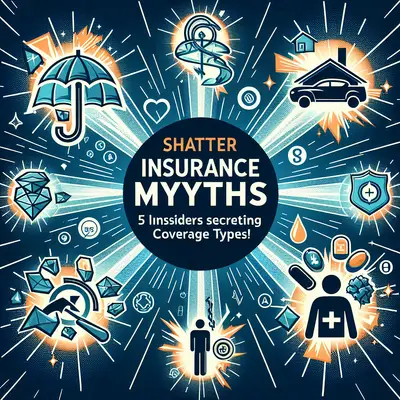
Insurance used to feel like the boring fine print of adulting. Now? It’s low‑key becoming a power play. The people who actually understand their coverage types are out here saving money, dodging stress, and flexing serious “I read the policy” energy.
This is your crash course in coverage types with a viral twist: 5 trending coverage moves that real shoppers are using to upgrade their protection without upgrading their anxiety. Screenshot, share, send to the group chat—this is the stuff nobody explains, but everyone needs.
Why Coverage Types Are the New Life Cheat Code
Think of coverage types like filters on your life: each one changes how your money and protection show up when something goes wrong. Liability, comprehensive, collision, term life, renters, disability—each exists for a different “oh no” moment.
Most people just accept whatever a quote tool gives them and hope for the best. But when you actually understand what each coverage type does, three things happen:
- You stop overpaying for protection you don’t need
- You stop underinsuring the stuff that could actually wreck your budget
- You start picking policies that match your lifestyle right now, not five years ago
Insurance companies don’t always explain this clearly. That’s where being an informed shopper turns into a quiet superpower. The goal isn’t to collect every coverage possible—it’s to build a smart combo that fits your reality.
Trending Move #1: Swapping “Bare Minimum” Auto Coverage for Real-World Protection
The new flex isn’t the cheapest car insurance—it’s the coverage that actually does something when life gets messy.
Here’s what savvy shoppers are pivoting to:
- Liability that’s not laughably low
Liability pays for other people’s injuries and property if you cause the accident. A lot of people are still rolling around with state minimums that get blown through by one ER visit. The trend? Bumping limits so one crash doesn’t turn into wage garnishment or drained savings.
- Collision vs. Comprehensive—know the difference
- Collision: Your car hits something (or something hits your car) and your ride gets damaged.
- Comprehensive: Fire, theft, vandalism, hail, falling trees, animal strikes—basically “weird life stuff” that isn’t a crash.
The insider move: Keep both for newer or higher-value cars; consider dropping collision on older cars once the premium gets close to the car’s value.
- Underinsured/Uninsured Motorist coverage is becoming non-negotiable
With so many drivers underinsured, UM/UIM coverage is trending hard. It helps cover your injuries and sometimes property damage if the person who hits you doesn’t have enough coverage (or any at all).
Viral-worthy takeaway: “Cheapest” auto insurance is only a win if it still shows up when things go off the rails. Real protection > bare minimum.
Trending Move #2: Renters & Home Coverage That Actually Matches Your Stuff
There’s a big myth still floating around: “I don’t own a house, I don’t need insurance.” That take is aging badly.
Here’s what’s catching on:
- Renters insurance as the ultimate low-cost life stabilizer
For the price of a streaming subscription, renters coverage can help replace your stuff after theft, fire, or certain disasters—and it often includes liability if someone gets hurt in your place. Landlords typically cover the building, not your belongings.
- Replacement cost vs. actual cash value
- Actual cash value (ACV) pays what your stuff is worth now (aka: used and depreciated).
- Replacement cost pays what it costs to buy it new today.
People are catching on to the difference:
More shoppers are opting for replacement cost when they can because nobody wants a check that covers 40% of what it costs to actually rebuild their setup.
- Homeowners coverage that matches rebuild reality, not guesswork
Smart homeowners aren’t just insuring what they paid for the house. They’re insuring the rebuild cost (materials + labor if the home is destroyed), which can be very different from market value.
Shareable line: “Your landlord’s policy covers the walls. Renters insurance covers your life inside them.”
Trending Move #3: Term Life Insurance as the “Silent Wealth Protector”
Life insurance used to be pitched as something you buy when you’re “older.” The new wave? People in their 20s and 30s locking in term life while it’s wildly affordable and using it as a financial safety net.
Why term life is getting hot again:
- It’s simple and cheap for most healthy people
Term life covers you for a set number of years—like 20 or 30. If you die during that term, your beneficiaries get a payout. No investment gimmicks, just pure protection. It’s often far more budget-friendly than permanent life when your main goal is income replacement.
- It protects future plans, not just current bills
- A partner can stay in the home
- Kids’ future schooling is funded
- Shared debts don’t become someone else’s full-time problem
- It’s becoming part of the “protect your circle” conversation
People are using term life to make sure things like:
The flex isn’t just “I save and invest.” It’s “If something happens to me, the people I love don’t get crushed financially.”
Copy-paste-worthy insight: “Term life isn’t about being morbid. It’s about making sure your people keep living the life you were building together.”
Trending Move #4: Health Plans + Supplemental Coverage as a Tag-Team
Health insurance is confusing on purpose—deductibles, copays, out-of-pocket max, networks. The new trend isn’t just picking “any” health plan; it’s building a combo that caps your worst-case scenario.
Here’s what informed shoppers are doing:
- Actually reading the out-of-pocket maximum
This is the number that says, “No matter how wild the year gets, you won’t pay more than this (in-network) for covered services.” People are using this to compare plans instead of just staring at monthly premiums.
- Using HSAs with high-deductible plans as a stealth money tool
If you qualify for a high-deductible health plan (HDHP), an HSA (Health Savings Account) lets you stash pre-tax money for medical expenses. The bonus? Unused funds can roll over and grow—trending hard with people who like flexibility.
- Adding supplemental coverage to plug holes
Accident, critical illness, and hospital indemnity policies are becoming add-ons to help cover cash gaps (like lost wages or unexpected bills) when something major hits.
Shareable summary: “Your health plan isn’t just about your doctor visits. It’s the shield between you and medical debt.”
Trending Move #5: Income Protection as the New “Main Character” Coverage
If your ability to earn money disappeared tomorrow, what happens? That question is pushing disability insurance and loss-of-income protection into the spotlight.
Here’s why it’s trending:
- Your income is your real MVP asset
For most people, their biggest financial asset isn’t their car or phone—it’s their future earning power. Disability insurance helps replace part of your income if an illness or injury takes you out of the game for a while.
- Short-term vs. long-term disability
- Short-term: Covers you for weeks or months—a broken leg, a serious surgery recovery, complications from pregnancy.
- Long-term: Kicks in if you’re out for a long stretch, sometimes years, depending on your policy.
- People are realizing Social Security Disability alone may not cut it
Government programs exist, but they can be limited, hard to qualify for, and slow. Private disability coverage can be a crucial backup, especially if your lifestyle depends on your paycheck.
Post-friendly line: “Protect the bag ≠ just insuring your stuff. It’s insuring the paycheck that pays for all of it.”
Conclusion
Coverage types aren’t just boxes to tick on an application—they’re the architecture of your financial safety net. The new wave of insurance shoppers isn’t settling for “whatever’s standard.” They’re:
- Upgrading car coverage from legal minimum to real-world useful
- Making renters and home policies actually reflect their stuff and their space
- Using term life to protect the people they love, not impress an agent
- Pairing health plans with smart add-ons to prevent medical-bill chaos
- Treating income protection as non-negotiable, not optional
You don’t need to become an insurance expert. You just need to know enough to ask for the coverage that fits your life, not your neighbor’s. The real flex? When something goes wrong and you’re covered so well it barely dents your peace of mind.
Send this to the friend who keeps saying, “I’ll figure out my insurance later.” “Later” is when things are already on fire—literally or financially.
Sources
- National Association of Insurance Commissioners (NAIC) – Consumer Auto Insurance Guide – Explains core auto coverage types like liability, collision, and comprehensive in detail.
- Insurance Information Institute – Renters Insurance Overview – Breaks down what renters insurance covers, typical costs, and why it matters.
- U.S. Department of Health & Human Services – Health Coverage Basics – Covers key terms like deductibles, out-of-pocket maximums, and types of health plans.
- Social Security Administration – Disability Benefits – Outlines how federal disability benefits work and their limitations.
- American Council of Life Insurers – Life Insurance FAQ – Provides clear explanations of term life versus permanent life and common use cases.
Key Takeaway
The most important thing to remember from this article is that this information can change how you think about Coverage Types.