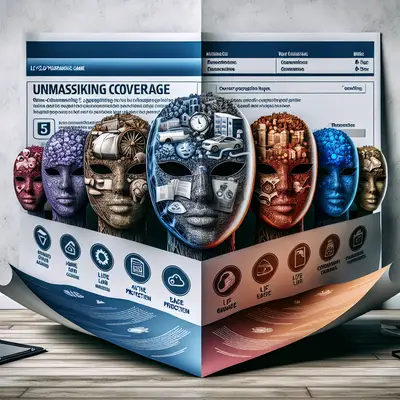
Insurance coverage types used to feel like a multiple-choice test you never studied for. Now? They’re part of your financial identity—your “coverage DNA.” When you match the right coverage to how you actually live, you’re not just “being responsible.” You’re building a low-key superpower: protection that quietly backs every risk you take.
Let’s break down coverage types in a way that actually clicks—and highlight 5 viral-level insights insurance shoppers are sharing, screenshotting, and sending to the group chat.
Your Life, Your Coverage “Loadout”
Think of coverage types like a game loadout: different pieces that work together so you’re not walking into life’s boss levels with starter gear.
At the core, you’ve got the big pillars: auto, home or renters, health, and life insurance. Around them, you can stack extras like disability, umbrella, or pet insurance—depending on your lifestyle. The mistake most people make is treating coverage like a one-size-fits-all hoodie, when it’s more like building a custom fit.
If you rent and work remote, your renters + health + disability combo might matter more right now than a huge life policy. If you drive a lot, your auto coverage choices can literally make or break your bank account after one bad day. The key mindset shift: coverage types aren’t random products. They’re different ways to protect your income, your stuff, and your future decisions—each one covering a specific category of “what if.”
When you look at your policies as one ecosystem (not separate bills), it gets way easier to see gaps, overlap, and opportunities to level up without overpaying.
Trending Point 1: People Are Realizing Liability Coverage Is the True Main Character
Everyone obsesses over deductibles and premium prices, but the low-key MVP in almost every policy type is liability coverage. That’s the part that steps in when you’re legally responsible for injuring someone or damaging their property—think car accidents, someone slipping in your apartment, your dog biting a neighbor, or a guest getting hurt at your place.
For auto insurance, liability is what pays for the other person’s medical bills and repairs when you’re at fault. In renters or homeowners insurance, personal liability can cover injuries on your property and even some off-premise situations. A lot of people roll with state minimum auto limits because they look cheap, but one serious accident can blow past those limits in a heartbeat—and anything above your policy limit can come straight for your savings, wages, or assets.
That’s why you’ll see more financially savvy shoppers pushing higher liability limits and even adding umbrella insurance on top. Umbrella coverage sits above your home/auto policies and kicks in when your regular liability limits are maxed out, giving you an extra layer of protection for surprisingly low cost per dollar of coverage. The shareable takeaway: “I don’t just insure my stuff—I insure my future paychecks.”
Trending Point 2: Renters Are Finally Treating Their Stuff Like It Actually Has Value
For years, renters ignored renters insurance like it was optional DLC. Now, social feeds are full of “I lost everything in a fire/burglary—but my renters policy saved me” stories, and it’s changing how people view coverage types.
Renters insurance usually covers three core things: your belongings (if they’re stolen or damaged by a covered event), liability (if someone gets hurt in your place), and additional living expenses (if you can’t live in your unit after a covered loss and need a temporary place). The wild part? It’s often cheaper per month than a single food delivery order.
The big setting most people ignore: actual cash value vs. replacement cost. Actual cash value pays what your old stuff is worth right now (depreciated). Replacement cost helps you buy new equivalents at today’s prices. For a wardrobe, electronics, and furniture setup you’ve built over years, that difference is huge. The new mindset: “If my apartment got wiped clean tonight, what would it really cost to start over?” That’s the coverage type conversation renters are finally having.
Trending Point 3: Health Plans Are Being Treated Like Financial Tools, Not Just Doctor Passes
Health insurance used to be: “What’s the cheapest plan my job offers?” Now, more people are looking at plan types (HMO, PPO, EPO, HDHP with HSA) as strategic financial tools, not just access passes to doctors.
High-deductible health plans (HDHPs) paired with Health Savings Accounts (HSAs) are especially buzzy. HSAs let you set aside pre-tax money for qualified medical expenses—and the funds can roll over year to year, grow tax-free when invested, and be withdrawn tax-free for medical costs. That turns a “coverage type” choice into a triple-tax-advantaged, long-term financial move.
But HDHPs only make sense for some people: usually those who can handle a higher out-of-pocket hit before the plan kicks in, and who will actually fund the HSA. If you have ongoing medical needs or tight cash flow, a lower-deductible plan might protect your budget better, even if the monthly premium is higher. The smart trend isn’t about chasing the “trendiest” plan; it’s about pairing a plan type with your real health habits, risk tolerance, and emergency fund.
Trending Point 4: People Are Stacking Coverage Types Around Their Income, Not Just Their Stuff
Your car and laptop matter, but your real money-maker is your ability to earn. That’s why income-focused coverage types—like disability insurance and term life insurance—are getting way more attention in personal finance spaces.
Disability insurance is the protection almost everyone ignores until they hear this stat: a significant share of workers will experience a disability long enough to miss extended work during their careers. Short-term disability can help with income after things like surgery or complications from pregnancy. Long-term disability kicks in for more serious or extended conditions that keep you from working. It usually pays a percentage of your income, so your entire life doesn’t collapse because your body hit pause.
Term life insurance, meanwhile, is becoming the go-to for people who just want clean, affordable “if I’m not here, my people are okay” protection. You pick a term (say 20 or 30 years) to cover your highest-responsibility years: kids at home, big mortgage, shared debts. It’s generally cheaper than permanent life, which is why so many financial creators push: “Invest in actual investments, use term life for protection.”
The new flex isn’t just “I have insurance.” It’s “My income is insured.”
Trending Point 5: Coverage “Bundles” Are Being Rebuilt Like Curated Playlists
The classic insurance bundle was: “Auto + Home = Discount.” But today, people are mixing and matching coverage types across companies and platforms like they’re building a playlist instead of buying an album.
This looks like: auto with one company, renters with another, life through a digital-first insurer, a separate pet policy, and maybe even travel insurance for big international trips. Instead of blindly bundling everything with one brand out of habit, shoppers are comparing coverage details, digital experience, and claims reputation, then deciding what’s worth bundling and what’s worth splitting.
What’s trending hard is personalization: some companies now let you customize endorsements (add-ons) to your homeowners or renters policy—like extra coverage for high-end electronics, jewelry, or side-hustle gear. Others offer niche options like rideshare endorsements if you drive for an app, or special coverage for home-based businesses. The vibe is shifting from “whatever they sell me” to “this policy fits my lifestyle like a curated playlist—no skipped tracks, no useless filler.”
Conclusion
Coverage types aren’t just boring policy labels—they’re the building blocks of how you protect your money, your stuff, your health, and your future decisions. When you zoom out and see them as parts of your “coverage DNA,” you stop asking, “What’s the cheapest policy?” and start asking, “What mix of coverage lets me take risks without wrecking my life?”
Liability as the main character. Renters coverage as a reset button. Health plans as financial tools. Income-focused protection as a non-negotiable. Bundles rebuilt like playlists. That’s the new insurance culture—louder, smarter, and way more intentional.
If it’s been a while since you looked at your policies, this is your sign: pull them up, map out what each coverage type actually does, and ask one question—“Does this match how I really live right now?” If not, it’s time for a coverage remix that’s actually built for you.
Sources
- National Association of Insurance Commissioners (NAIC) – Consumer Resources - Clear explanations of auto, home, renters, life, and umbrella insurance basics and how coverage types work
- USA.gov – Health Insurance - Overview of health insurance options, plan types, and how coverage is structured in the U.S.
- Healthcare.gov – High Deductible Health Plans & HSAs - Details on HDHPs, HSA eligibility, and how these coverage types interact
- Insurance Information Institute – Renters Insurance - In-depth breakdown of what renters insurance covers, including personal property and liability
- Social Security Administration – Disability Facts - Data and context on disability risks that explain why income-focused coverage types matter
Key Takeaway
The most important thing to remember from this article is that this information can change how you think about Coverage Types.