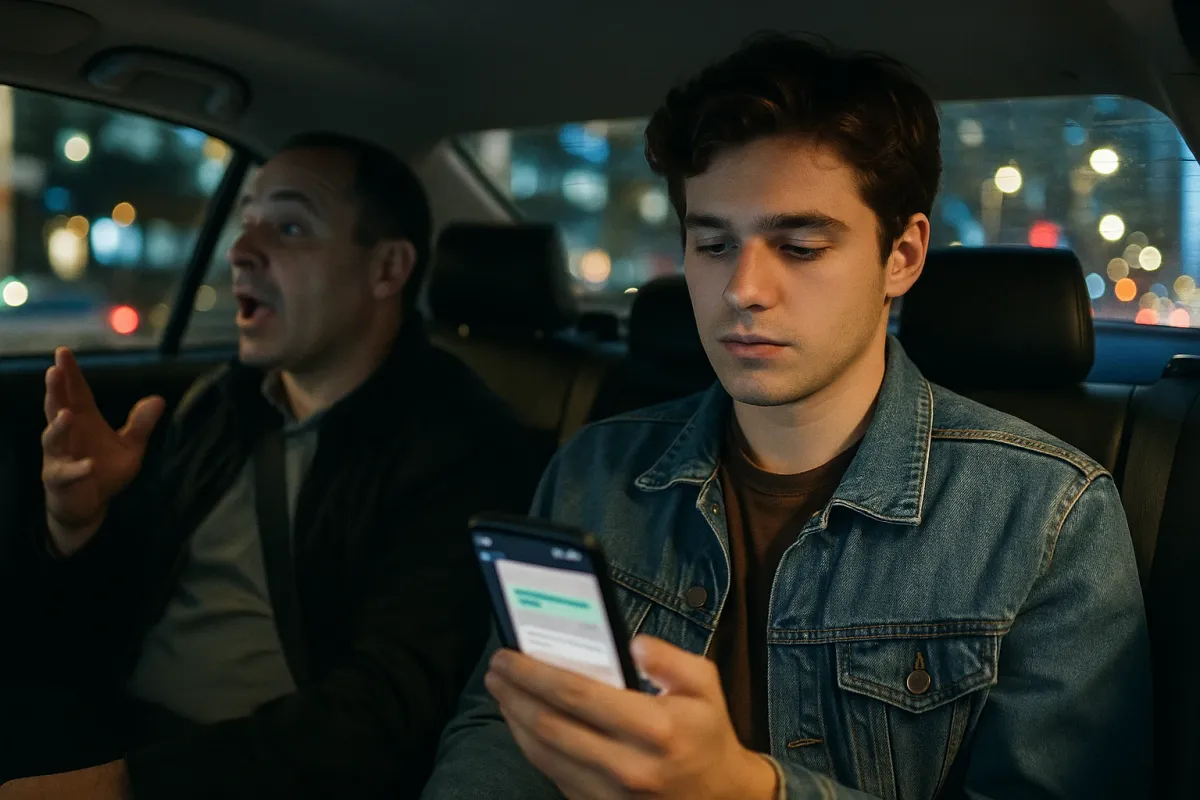
Picture this: you’re in the back of an Uber, half doom-scrolling, half eavesdropping, when the driver casually drops, “Yeah, my buddy got in a crash last week and thought Uber would cover everything. Spoiler: they did not.”
Those “Overheard in Uber” moments are blowing up Instagram for the laughs, but behind the chaos is a very real question: who actually pays when real life goes off-script? With rideshare confessions, side-gig hustles, and viral screenshots all over your feed, it’s the perfect time to break down the coverage types that actually match the way we live right now.
Let’s turn those wild ride-share stories and shared screenshots into insurance power moves you can flex on social.
1. Rideshare Reality Check: When Your Uber Story Becomes an Insurance Claim
All those “Overheard During Uber Rides” posts? Hilarious. But here’s the unfunny part: most people in those back seats have no idea what happens coverage-wise if the ride goes sideways—literally.
If you’re a passenger in an Uber or Lyft, the rideshare company usually carries liability coverage and often uninsured/underinsured motorist coverage for you while the trip is active. That means if the driver causes an accident or someone hits you and doesn’t have enough insurance, you’re probably covered under their policy limits. But personal items? Medical bills beyond those limits? That’s where your own health insurance or, in some cases, personal injury protection (PIP) or medical payments coverage (MedPay) can kick in.
If you’re the driver, that’s a whole different ride. Your personal auto insurance may not fully protect you once you turn the app on. That’s where rideshare endorsement coverage comes in—an add-on that fills the awkward gray zone between “app on, waiting for a ride” and “passenger in the car.” Without it, you could be that driver in the viral story talking about how the crash cost more than you made all quarter.
Shareable takeaway: “If your side hustle lives in an app, your coverage better, too. Rideshare endorsement is the new non-negotiable.”
2. Side Hustle, Real Risk: Turning Your Gig Work into Covered Work
Between Uber, DoorDash, freelance design, TikTok UGC deals, and random “can you help me with this?” Venmo payments, 2025 is the era of 10 jobs, 1 calendar. But here’s the part most people don’t screenshot: your personal policies don’t always follow you into your hustle life.
If you’re doing freelance or gig work—from photography to tutoring to consulting—you’re basically a micro-business. That’s where professional liability (for “I messed up the work”) and general liability (for “someone got hurt or something got damaged”) sneak into the chat. Many creators and gig workers are now grabbing home-based business coverage or a small business owner’s policy (BOP) that bundles property and liability, so one angry client or one slip-and-fall doesn’t nuke your savings.
Even influencers and creators who land brand deals off one viral post are getting creator- or media-specific coverage to protect themselves from claims like copyright infringement or defamation. Sounds intense, but if your content can go viral, so can a legal issue.
Shareable takeaway: “Your side hustle is a business—your coverage should stop acting like it’s just a hobby.”
3. Screenshots Live Forever: Why Personal Liability Is Your Quiet MVP
Those “cursed comments,” petty clapbacks, and wild threads from Reddit and X (Twitter) are comedy gold—until someone decides it’s not funny anymore. The internet is forever, but so is the risk of someone claiming defamation, harassment, or emotional distress.
This is where personal liability coverage—often hiding inside your homeowners or renters policy—becomes your low-key hero. It’s designed to cover you if you’re found legally responsible for injuring someone or damaging their property. In some policies, that can extend beyond physical harm and into certain types of personal injury claims, depending on the wording and your state.
And if you’re frequently posting hot takes, managing a meme page, or running a spicy community account? You’re basically increasing your “comment risk.” Some people upgrade to policies that offer broader “personal and advertising injury” protection or set up separate business or media policies once their content turns from “just for fun” to “brand deal territory.”
Shareable takeaway: “Before you hit post, remember: your best friend might be your liability coverage, not your lawyer.”
4. “Not My Car, Not My Problem”… Until It Is: Non-Owner & Borrowed Car Coverage
One of the funniest recurring themes in ride-share conversations? People who don’t actually own cars—but somehow always end up behind a wheel. Borrowing a friend’s car, using your roommate’s ride “just for today,” or renting a car for a quick trip feels casual… until something goes wrong.
If you don’t own a car but still drive occasionally, non-owner car insurance is a sleeper-hit coverage type. It usually gives you liability coverage when you’re driving a car you don’t own—perfect for frequent borrowers or serial renters. It won’t cover damage to the car itself, but it can protect you from major financial fallout if you hurt someone or damage property.
Plus, when renting a car, you’ll get hit with a dozen confusing coverage options at the counter. Sometimes your credit card, your existing auto policy, or a non-owner policy already gives you what they’re trying to upsell. Knowing where your coverage starts and stops turns you from confused traveler into main-character energy at the rental desk.
Shareable takeaway: “If you’re always driving someone else’s car, you’re still the one on the hook. Non-owner coverage is the ‘I don’t own a car but I live in the real world’ policy.”
5. The Uber Eavesdropper’s Starter Pack: Coverage Types That Actually Match 2025 Life
After a few hours of scrolling those “Overheard in Uber” convos, one pattern jumps out: nobody thinks about coverage until after the plot twist. So here’s a quick “2025 life” coverage lineup that’s super shareable and actually practical:
- Rideshare Endorsement (for drivers): If you drive for Uber/Lyft, this is your must-have add-on so your personal policy doesn’t ghost you when the app is on.
- Uninsured/Underinsured Motorist Coverage: With rising costs and too many underinsured drivers, this protects you if the other person can’t pay up after a crash.
- Personal Liability (inside renters/homeowners): For “oops, I caused a problem” moments—on and offline. Often underrated, often clutch.
- Non-Owner Auto Insurance: If you don’t own a car, but you do drive borrowed, rented, or shared cars, this keeps you from raw-dogging the risk.
- Gig/Creator/Small Business Coverage: If money hits your account because of something you do or post, consider at least a basic liability setup so one angry client doesn’t derail your story arc.
Each of these is basically a “silent character” in your life story, only showing up when the plot takes a dark turn. But that’s exactly when you want them.
Shareable takeaway: “Your life is hybrid—your coverage should be, too. Build a stack that fits your actual lifestyle, not your parents’.”
Conclusion
Those chaotic Uber convos and viral screenshots aren’t just entertainment—they’re real-life case studies in what happens when your coverage doesn’t match your lifestyle. Rideshares, side hustles, meme pages, borrowed cars… this is 2025, and the old one-size-fits-all policy just doesn’t cut it.
If you’re living the app-powered, multi-income, always-online life, your insurance needs to level up with you. Screenshot this, send it to your group chat, or drop it in your next “overheard” post:
The most underrated flex of 2025 isn’t a new phone—it’s having coverage that actually fits the way you live.
Key Takeaway
The most important thing to remember from this article is that this information can change how you think about Coverage Types.