Some pets bring you socks. Other pets—like the viral dogs and cats “collecting” delivery packages on social media—bring you… your mail. Cute? Absolutely. Safe for your stuff? Not always. As clips of pets proudly dragging parcels up the driveway or yanking boxes off porches rack up millions of views, there’s a less-adorable subplot: lost, damaged, and totally uninsured deliveries in 2025’s booming e‑commerce world.
While everyone’s sharing TikToks of fluffy “delivery assistants,” carriers like UPS, FedEx, Amazon, and the USPS are quietly updating policies, tightening claims rules, and pushing optional shipping insurance. If you’re ordering more online than ever—or running a side hustle that ships products daily—what actually happens when your package goes missing, gets destroyed in the rain, or becomes your dog’s new chew toy?
Let’s break down how to protect your deliveries for real—not just hope your cat’s new hobby doubles as loss prevention.
1. Viral “Porch Pet” Moments Don’t Equal Protection: How Liability Really Works
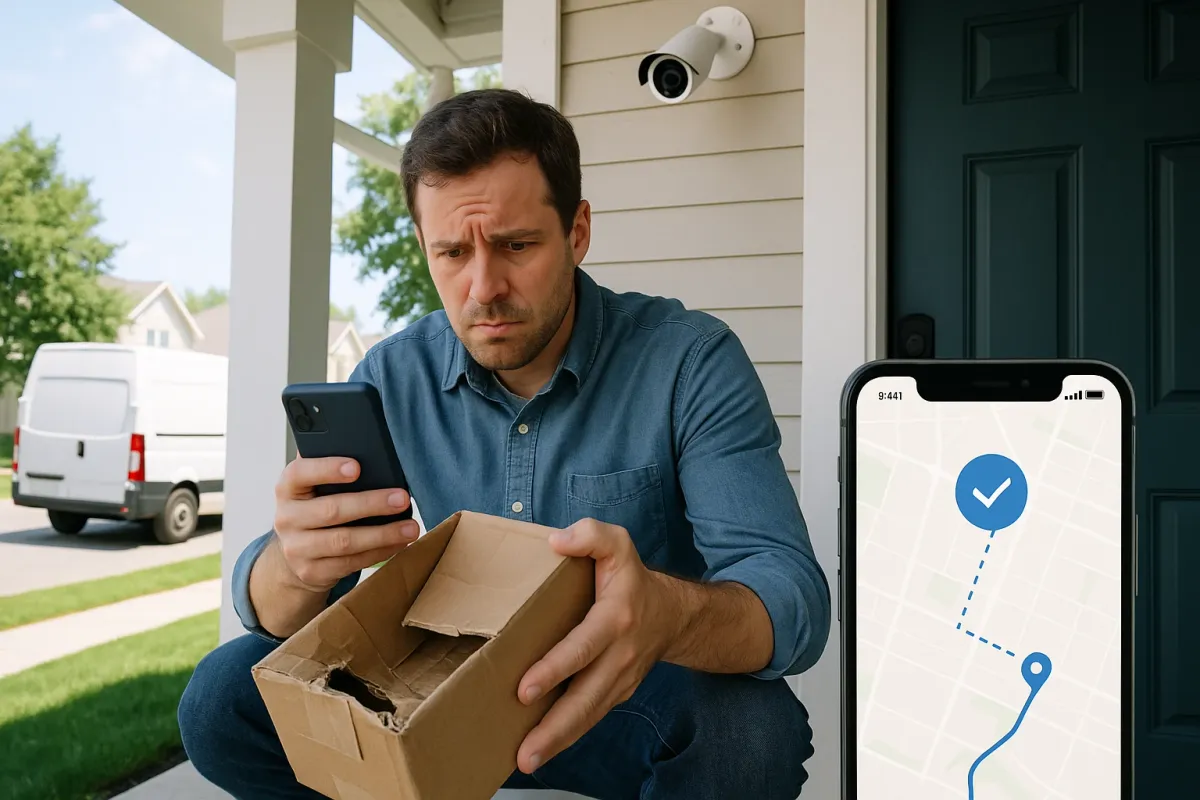
Those clips of pets “helpfully” collecting packages (inspired by that trending article on pets surprising their owners by fetching deliveries) are fun to repost, but from an insurance and liability angle, they’re chaos. Here’s the unfiltered reality: once a carrier scans your package as “Delivered,” the risk often shifts—to you. That means if your dog drags the box into a puddle, or your cat claws through a pricey gadget, the carrier can usually deny the claim.
This is where your homeowners or renters policy might step in. Many policies cover personal property both inside and outside the home, but there are catches: deductibles, exclusions (electronics, collectibles, business inventory), and proof-of-damage requirements. If you’re running a business out of your house, your “business property” often isn’t fully covered by a standard home policy—especially if it’s inventory you’re shipping to customers. Translation: your viral porch video could be adorable content and Exhibit A in a denied claim if you’re not set up correctly.
2. “Free” Coverage vs. Real Shipping Insurance: What You’re Actually Getting
Carriers love to advertise built-in “protection,” but it’s usually limited and conditional. USPS Priority Mail includes some default coverage. UPS and FedEx include a basic declared value threshold. Marketplaces like Etsy, eBay, and Amazon have their own buyer-seller protections layered on top. Sounds great—until something goes wrong.
Here’s the trend: in 2025, claim approvals are increasingly data-driven. Carriers look at scan histories, GPS drops, signature logs, and even photos from drivers. If anything looks off, claims get delayed or denied fast. Third-party shipping insurers (think Shipsurance, InsureShield by UPS Capital, or options built into platforms like Shopify) are growing exactly because shoppers and small brands want clearer, more generous terms and often faster payouts. The big upgrade: you can often insure the actual value of what’s inside, not just rely on a token $100 cap that barely covers a budget gadget.
3. Your Side Hustle Needs Grown-Up Coverage, Not Just Vibes
If you’re selling on Depop, Etsy, TikTok Shop, or Instagram, you’re part of the 2025 creator-commerce wave. But most side hustlers make one dangerous assumption: “If it gets lost, the platform will just refund it.” Not always—and definitely not always for you as the seller. Platform protections are usually built to protect the buyer first, and the cost of replacements can eat your margins alive.
Business insurance is no longer just for big brands. Home-based business endorsements can be added to some homeowners policies; standalone business owner’s policies (BOPs) can cover inventory in transit; and some e‑commerce platforms now offer integrated shipping insurance at checkout, so either you or your buyer can protect the order with one click. If you’re shipping custom art, handmade jewelry, or limited drops, a single uninsured lost package can wipe out the profit from an entire batch. In the world of viral products and micro-brands, real coverage is the difference between a bad day and a business-ending week.
4. Porch Pirates, Smart Locks, and Where Insurance Draws the Line
News flash: carriers and insurers are watching the same porch-pirate clips you are—and they’re adjusting. With home security cameras, smart doorbells, and even in‑garage delivery partnerships (like Amazon Key in some regions), the expectation is shifting: if you claim a stolen package, they want receipts—video, timestamps, police reports.
Many homeowners and renters policies do cover theft of delivered packages, but:
- You’ll usually pay a deductible, which makes small claims pointless.
- Frequent claims can push your premiums up or even flag you as high-risk.
- Some insurers are starting to scrutinize repeated “porch theft” claims in areas known for package theft, especially if the evidence is thin.
This is why a lot of 2025 shoppers are switching strategy: using locker pickups (Amazon Locker, UPS Access Point), in-store pickup, work addresses, or building package rooms instead of home delivery for higher-value stuff. Insurance loves anything that reduces risk. Lockers + coverage = fewer arguments about what “delivered” really means.
5. How To Build a “Shipping Safety Stack” That Actually Works in 2025
Instead of hoping vibes and viral pet videos protect your deliveries, think in layers—a “shipping safety stack” that you can actually explain to a claims adjuster:
- Start at checkout: If the item is over your pain threshold (the amount that would really sting to lose), say yes to carrier or third‑party shipping insurance, especially for tech, jewelry, or custom items.
- Match it with your home/renters policy: Check whether off-premises theft or damage to deliveries is covered, and how high the deductible is. If your deductible is $1,000, that $300 gadget is effectively uninsured unless you add coverage.
- Separate personal vs. business: If you’re shipping inventory, talk to an agent or broker about a rider or business policy that explicitly covers goods in transit. Don’t assume your side hustle is magically covered just because it’s in your house.
- Upgrade your delivery setup: Use lockers, building mailrooms, smart parcels, or at least a weatherproof box. The less “gray area” around your delivery, the smoother your claim.
- Document like you’re making content: Photos of the package when it arrives, unboxing videos (yes, seriously), and screenshots of tracking can be priceless if you ever have to prove damage or misdelivery. You’re already on your phone—might as well make it count.
Conclusion
The internet is obsessed with pets “saving” deliveries, but the real 2025 plot twist is how much risk you’re quietly carrying every time you hit “Place Order.” Carriers are tightening rules, side hustles are exploding, and high-value packages are landing on porches like it’s nothing—often with zero real protection behind them.
If you want to keep flexing your online finds and shipping out your own creations without sweating every tracking update, build your shipping safety stack now: smarter delivery choices, upgraded home or renters coverage, real business protection if you’re selling, and targeted shipping insurance when it actually matters. Share this with the friend whose dog thinks every package is a toy—because cute content is fun, but getting paid when something goes wrong is the real win.
Key Takeaway
The most important thing to remember from this article is that this information can change how you think about Policy Guide.